This post helps homeowners navigate the overwhelming world of paint selection. Color Psychology by Room: Bedrooms – calming blues, greens, or soft neutrals for relaxation; Living rooms – warm neutrals, grays, or bold accent walls for personality; Kitchens – whites, creams, or light colors to enhance brightness; Bathrooms – moisture-resistant colors, spa-like blues/greens; Home offices – focus-enhancing colors like soft greens or blues. Understanding Paint Finishes: Flat/Matte (hides imperfections, hard to clean, best for low-traffic areas and ceilings), Eggshell (slight sheen, easier to clean, good for living rooms and bedrooms), Satin (durable, washable, ideal for kitchens, bathrooms, hallways, and kids’ rooms), Semi-gloss (highly durable, moisture-resistant, perfect for trim, doors, cabinets), High-gloss (extremely durable, shows imperfections, best for furniture or accent pieces). Color Selection Tips: test samples on walls (not just paint chips), observe colors at different times of day and lighting conditions, consider existing furniture and flooring, use the 60-30-10 rule (60% dominant color, 30% secondary, 10% accent), factor in room size (light colors expand, dark colors create intimacy). Include trending color palettes for 2026, how to create flow between rooms, and the impact of natural vs. artificial lighting. Explain how your company offers color consultation services to help customers avoid costly color regrets and achieve their vision perfectly.
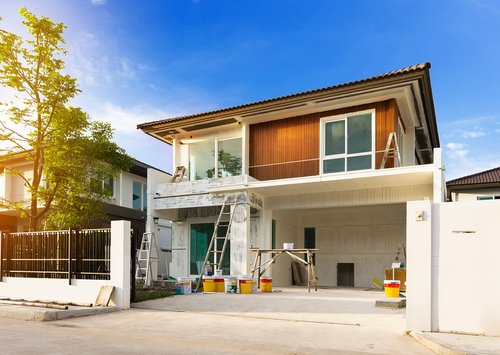
Interior vs. Exterior Painting: Cost Breakdown, Timeline, and What’s Included
Provide transparent pricing information that educates and builds trust. Interior Painting Costs: average room (12×12) costs $400-$900 depending on prep