Navigating building permits for home improvements can be one of the most confusing aspects of any renovation project. Whether you’re planning a simple bathroom update or a full-scale home addition, understanding what requires permits—and what doesn’t—can save you from costly fines, project delays, and safety hazards. This comprehensive guide walks you through permit requirements room by room, helping you approach your next project with confidence.
Kitchen Remodeling Permits: What Requires Approval?
Kitchens involve multiple trades, making them one of the most permit-intensive rooms in your home. Understanding building permits for home improvements in your kitchen starts with knowing which changes trigger inspections.
Always requires permits:
- Moving plumbing (sink, dishwasher locations)
- Electrical changes (adding circuits, relocating outlets)
- Gas line work (ranges, cooktops)
- Structural changes (removing walls, adding windows)
- Ventilation systems (range hood venting)
May not require permits:
- Cabinet replacement (same footprint)
- Countertop replacement
- Appliance swap (like-for-like, no new connections)
- Painting and flooring
- Backsplash installation
Common requirements: Electrical inspection (GFCI outlets near water, proper circuit capacity), plumbing inspection (proper venting, shut-off valves), mechanical inspection (range hood CFM and venting), final inspection (overall code compliance).
Typical costs and timeline: Permits $300-$1,000, 2-4 weeks processing, multiple inspections during project.
Bathroom Remodeling Permits: Navigating Wet Areas
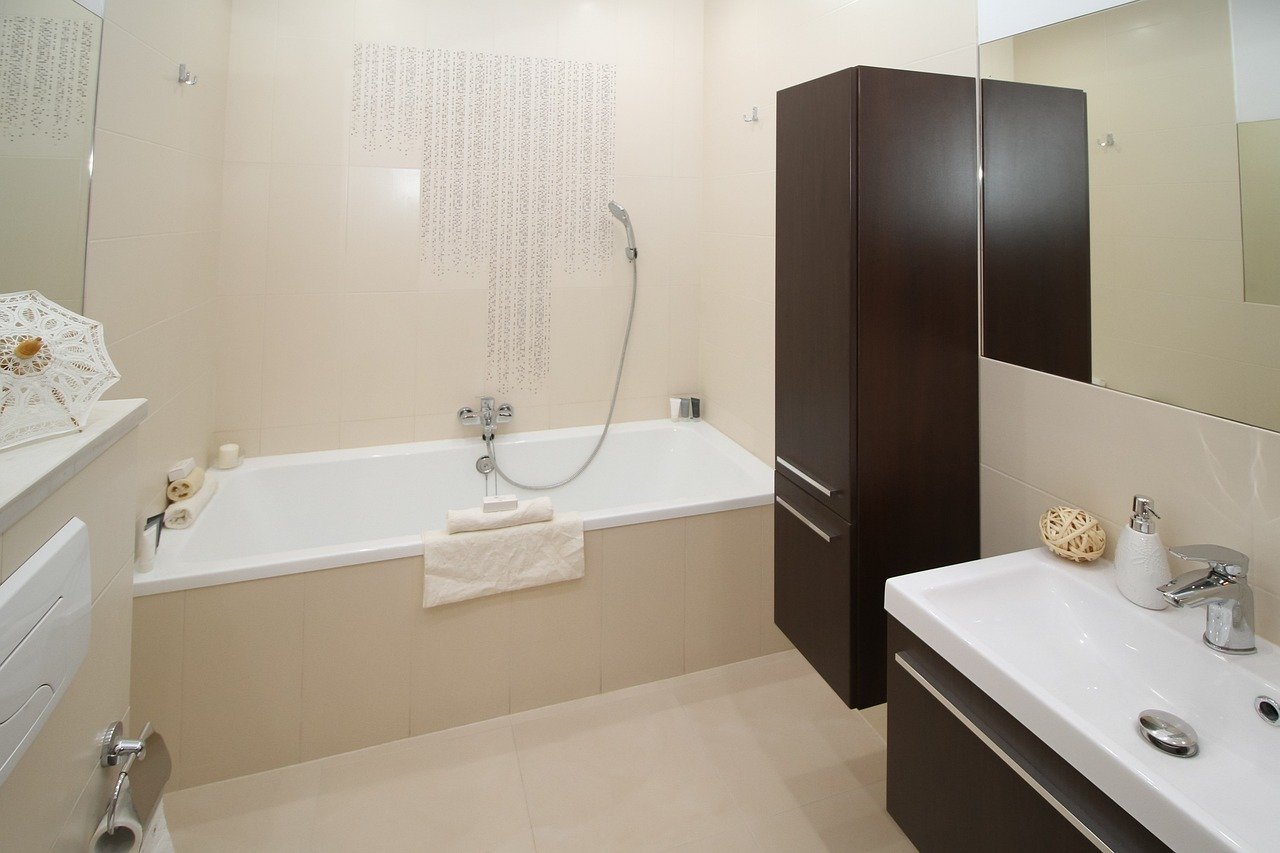
Bathrooms present unique challenges due to water exposure and ventilation needs. When researching building permits for home improvements in bathrooms, pay special attention to moisture-related requirements.
Always requires permits:
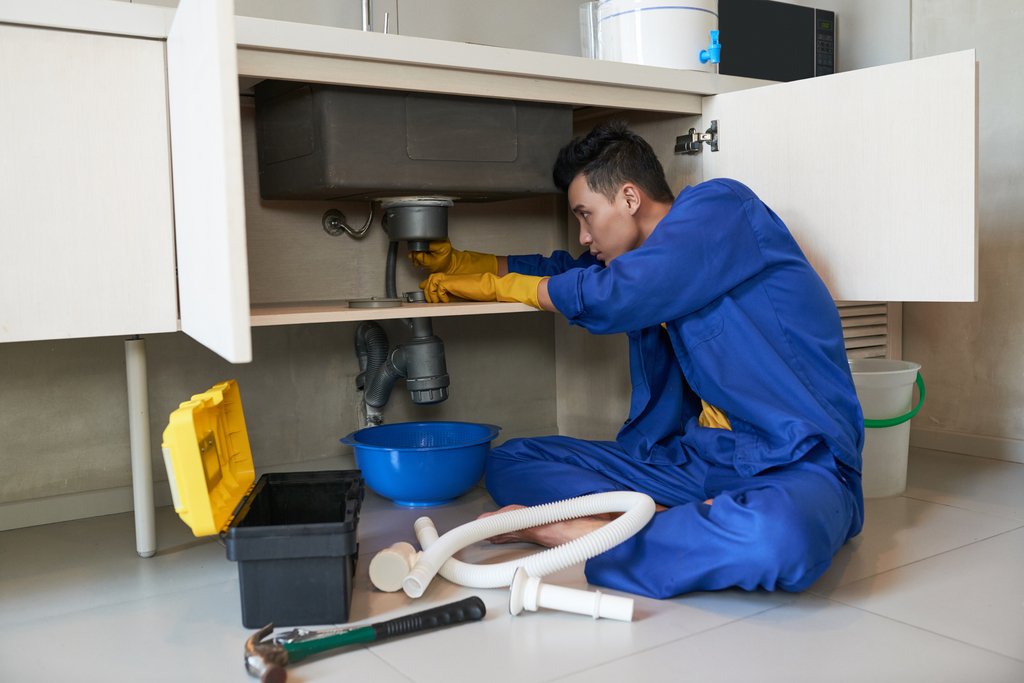
- Plumbing changes (toilet, shower, sink relocations)
- Electrical work (GFCI requirements, ventilation fans, lighting circuits)
- Structural modifications (tub-to-shower conversions, enlarging room)
- Ventilation systems (exhaust fans required in most areas)
- Waterproofing inspections (shower pan, tile backing)
May not require permits:
- Fixture replacement (like-for-like positions)
- Vanity replacement
- Mirror and accessory installation
- Tile replacement (no structural changes)
Special considerations: GFCI protection required within 6 feet of water sources, proper ventilation (window or fan) required, specific clearances for toilets and fixtures, waterproofing critical (inspections before tile).
Typical costs and timeline: Permits $250-$800, 2-3 weeks processing.
Additions and Structural Changes: Major Projects Require Major Approvals
When your project changes your home’s footprint or structure, building permits for home improvements become non-negotiable. These projects require the most comprehensive approval process.
Always requires permits:
- Room additions (any size)
- Garage construction
- Deck construction (usually if over 30 inches high)
- Second story additions
- Dormers and roof modifications
- Foundation work
- Load-bearing wall removal or modification
- New windows/doors (changing sizes or locations)
Requirements: Architectural/engineering plans (structural calculations, foundation details), setback compliance (distance from property lines), zoning approval (some additions require variances), energy code compliance (insulation, windows ratings), multiple inspections (foundation, framing, insulation, electrical, plumbing, final).
Typical costs and timeline: Permits $1,000-$5,000+, engineering fees $1,500-$5,000, 6-12 weeks processing, neighborhood notification may be required.
Electrical Work Permits: Safety First
Electrical work carries significant safety implications, making building permits for home improvements in this category strictly enforced.
Always requires permits:
- Panel upgrades (increasing amperage)
- New circuits
- Rewiring
- EV charger installation (240V)
- Generator hookups
- Solar panel installation
- Outdoor electrical work
May not require permits:
- Fixture replacement (like-for-like)
- Outlet/switch replacement (same type)
- Minor repairs
Important notes: Only licensed electricians can pull permits in most areas, inspections required before covering work, GFCI and AFCI requirements for modern code.
Typical costs and timeline: Permits $100-$500, 1-2 weeks processing.
HVAC Permits: Heating and Cooling Compliance
Heating and cooling systems require permits to ensure proper sizing, installation, and efficiency. Understanding building permits for home improvements for HVAC work protects your comfort and safety.
Always requires permits:
- New system installation
- Replacing heating/cooling systems
- Ductwork modifications
- Gas line connections
- Mini-split installations
Requirements: Load calculations (proper sizing for home), energy efficiency compliance, proper venting (gas systems), refrigerant handling certifications.
Typical costs and timeline: Permits $150-$600, 1-3 weeks processing.
Roofing Permits: Protecting Your Home from Above
Roofing work often requires permits, particularly for full replacements. When researching building permits for home improvements for your roof, consider these factors.
Usually requires permits:
- Full roof replacement
- Structural repairs
- Skylights
- Solar panel installation
May not require permits:
- Simple repairs (few shingles)
- Re-roofing over existing (in some jurisdictions)
Requirements: Wind rating compliance, proper ventilation, ice/water shield in cold climates, fire rating for materials.
Typical costs and timeline: Permits $200-$800, 1-2 weeks processing.
Plumbing Permits: Beyond Simple Fixes
Plumbing work often requires permits to ensure proper connections and prevent future leaks or contamination.
Always requires permits:
- Water heater replacement
- Repiping
- Sewer line work
- New fixtures (in new locations)
- Gas piping
- Water filtration systems
Inspections required: Rough-in (before covering), pressure testing, final connections.
Typical costs and timeline: Permits $150-$500, 1-2 weeks processing.
Fencing and Outdoor Structures: Defining Your Property Lines
Outdoor projects have their own permit considerations. Understanding building permits for home improvements for exterior work helps you avoid neighbor disputes and compliance issues.
Often requires permits:
- Fences over 6 feet
- Fences in front yards
- Retaining walls over 4 feet
- Sheds over certain square footage (varies 100-200 sqft)
- Pergolas and gazebos
- Swimming pools and spas (always)
Requirements: Setback compliance (distance from property lines and easements), height restrictions, HOA approval (separate from permits), utility location (call 811 before digging).
Typical costs and timeline: Permits $100-$1,000, 1-3 weeks processing.
Special Jurisdiction Considerations: Location Matters
Requirements vary significantly by location. Before starting any project, research how your area handles building permits for home improvements:
- City vs. county: Different codes and processes
- Coastal areas: Additional wind/flood requirements
- Historic districts: Preservation requirements, design approval
- HOAs: Separate approval often required
- State-specific codes: California earthquake, Florida hurricane, etc.
How Professional Permit Coordination Simplifies Your Project
Navigating building permits for home improvements across different project types and jurisdictions is complex. Professional coordination offers:
- Knowledge of requirements for every project type
- Handling multi-trade permits (kitchen remodels need electrical AND plumbing permits)
- Coordinating inspection timing (multiple trades inspected at proper stages)
- Ensuring code compliance (requirements change frequently)
- Managing jurisdiction differences (working across multiple cities/counties)
- Providing complete documentation for home records and resale
Money-Saving Tips for Permit Applications
Smart planning around building permits for home improvements can save both time and money:
- Bundle permits: Multiple trades at once often costs less
- Plan ahead: Rushed permits cost more or require expediting fees
- Design for code compliance: Avoiding variances saves time and money
- Use professional coordination: Prevent costly mistakes and delays
Ready to Start Your Project with Confidence?
Navigating building permits for home improvements doesn’t have to be overwhelming. Whether you’re planning a kitchen renovation, bathroom update, or major addition, understanding the requirements upfront sets you up for success.
Need help determining what permits your project needs? Contact us for a free permit requirement consultation. Our team handles the complexity so you can focus on creating the home you’ve always wanted.