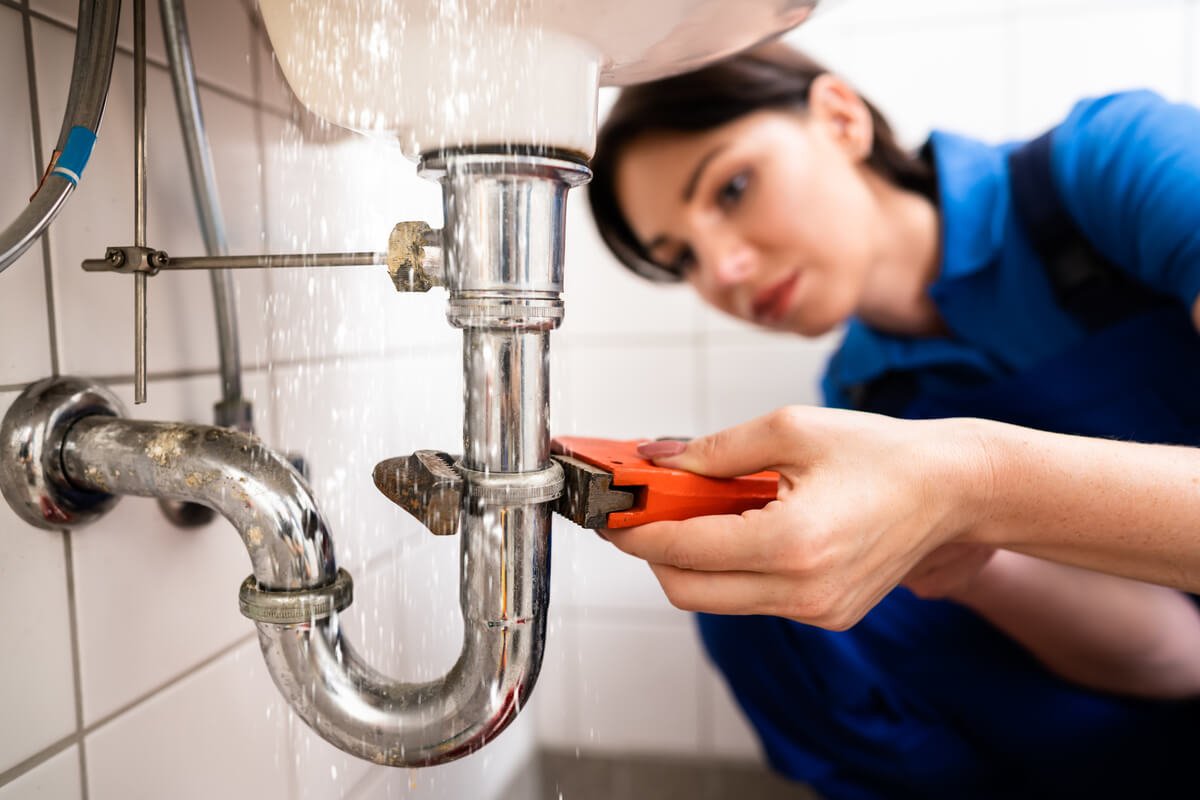
Help homeowners identify plumbing issues and understand when professional help is needed. Emergency Situations (Call Immediately): Burst pipes (shut off main water valve first, can cause thousands in water damage within hours), sewage backup (health hazard, indicates main line blockage), no hot water in winter (frozen pipes risk), gas leak smell (evacuate and call gas company, then plumber), major water heater leak (flooding risk, turn off water supply), continuous running water you can’t stop (water waste and potential damage). Urgent But Not Emergency (Call Within 24-48 Hours): Multiple slow drains (indicates main line issue), toilet won’t stop running (wastes 200+ gallons daily), persistent low water pressure throughout house, water heater making loud banging noises, visible pipe corrosion or small leaks, sump pump failure during rainy season, water stains appearing on walls/ceilings. Can Wait for Scheduled Appointment: Single slow drain (isolated clog), dripping faucet (wastes water but not immediate damage), running toilet (minor annoyance), garbage disposal not working, minor fixture upgrades, preventive maintenance. DIY vs. Professional Help: DIY appropriate for – unclogging single drain with plunger/snake, replacing faucet aerators, tightening loose faucet handles, replacing toilet flapper, resetting garbage disposal. Always call professionals for – anything involving gas lines, sewer line work, water heater installation/repair, repiping, major leak repairs, permit-required work, issues you can’t diagnose. What to Expect When We Coordinate Your Plumbing Service: Initial contact (describe your issue, we assess urgency), plumber dispatch (we connect you with appropriate licensed professional based on issue type and availability), arrival time (emergency: 1-4 hours, urgent: same or next day, scheduled: within week), diagnosis (plumber inspects and explains problem and solutions), quote (upfront pricing before work begins for non-emergencies), work completion (professional installation meeting code requirements), cleanup (plumbers leave workspace clean), warranty (we ensure all work is guaranteed). Cost Guidance by Problem Type: Drain cleaning ($150-$400), faucet repair/replacement ($150-$350), toilet repair ($150-$300), toilet replacement ($250-$600), water heater repair ($200-$600), water heater replacement ($1,200-$3,500), pipe repair ($200-$1,000 depending on location/accessibility), garbage disposal installation ($200-$500), sump pump installation ($500-$1,500), sewer line repair ($1,500-$4,000), whole-house repiping ($4,000-$15,000+). Prevention Tips to Share: annual water heater flushing, avoid pouring grease down drains, don’t flush anything except toilet paper, know your main water shutoff location, insulate pipes in unheated areas, replace supply hoses on washing machines every 5 years, schedule annual plumbing inspections for homes over 20 years old. Include a troubleshooting guide for common issues and explain how your coordination service ensures homeowners get the right plumber for their specific problem – from emergency specialists to repiping experts. Emphasize that proper diagnosis and quality work prevent recurring problems and save money long-term.

Navigating Building Codes and Permits: A Room-by-Room Guide for Home Improvements
This comprehensive reference helps homeowners understand specific permit requirements for different projects. Kitchen Remodeling Permits: Always requires permits – moving